
Application Note 152: Binding Studies of an Integrin and its Mutants using BI-4500
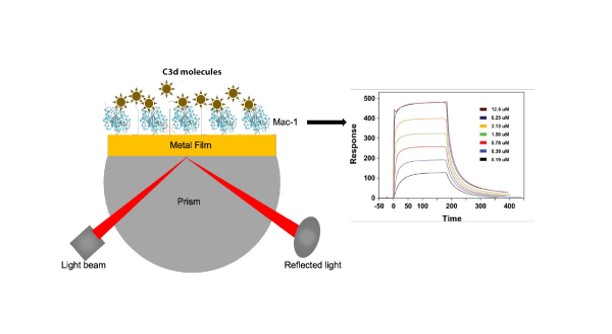
Integrins are heterodimeric receptors which help in cell adhesion and are ubiquitous to all metazoans.1 They also play a vital role in numerous cellular processes including cell growth, proliferation, differentiation, …
Application Note 147: Variations in the Binding Kinetics of Native and Recombinant Protein Receptors
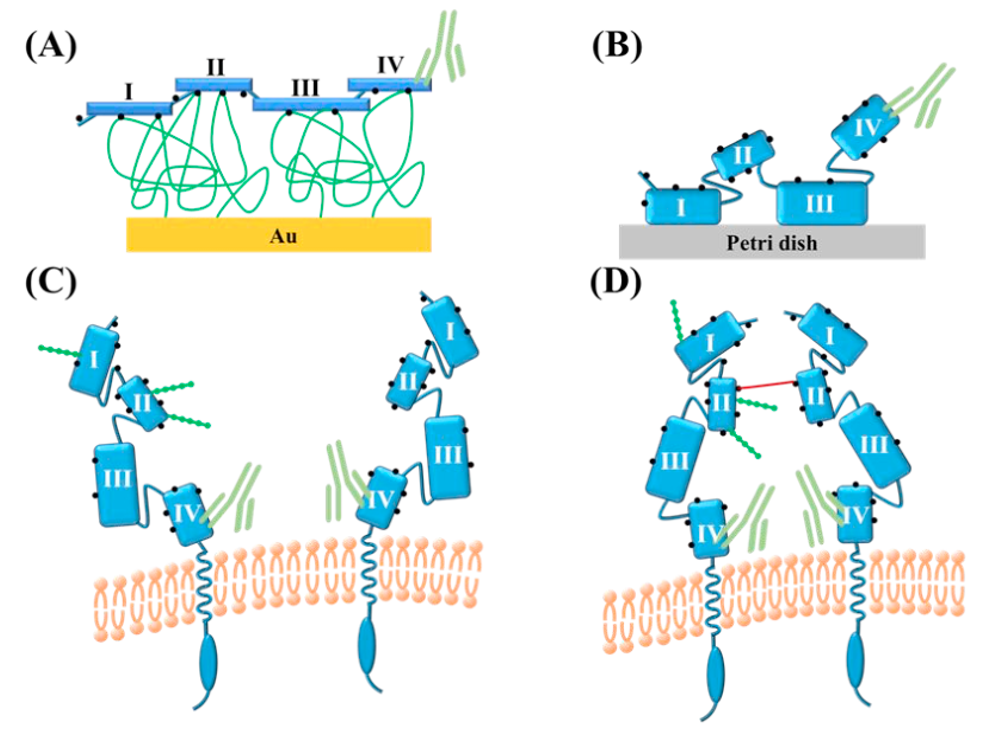
The long and arduous process of drug development involves screening of drug candidates by determining their affinities towards a cellular target and the kinetics of the interactions. A variety of …
Application Note 145: KINETIC MEASUREMENTS OF COVID-19 VIRAL S1 PROTEIN WITH CELLULAR AND RECOMBINANT ACE2 RECEPTORS
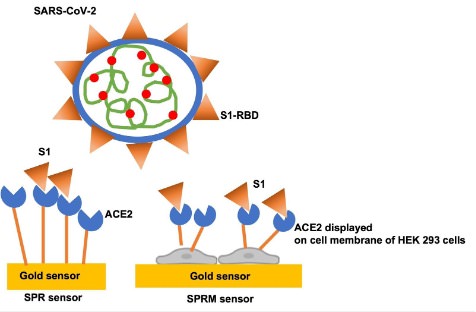
The pandemic due to the SARS-CoV-2 continues to evolve and remains an international concern. Covid infection is caused by the air-borne coronavirus 2 (SARS-CoV-2) and its mutants. The viral invasion …
Application Note 139: Single-Injection Kinetic Measurement Technique for Studies of COVID-19 S1 Protein and ACE2 Binding
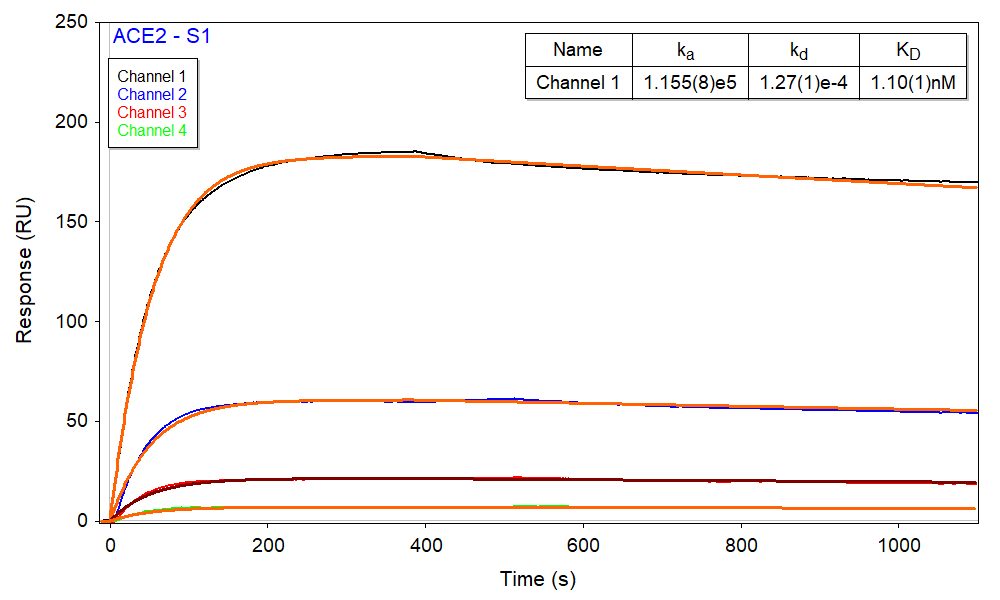
This application note shows the application of the single-injection measurement technique in binding kinetic studies between COVID-19 S1 and ACE2 proteins. The five-channel SPR instrument, with the BI-DirectFlow™ technology, provides a unique multi-channel technique for precise sample delivery and high-quality measurement.
Application Note 138: Kinetic Measurement of COVID-19 S1 Protein and ACE2 Binding
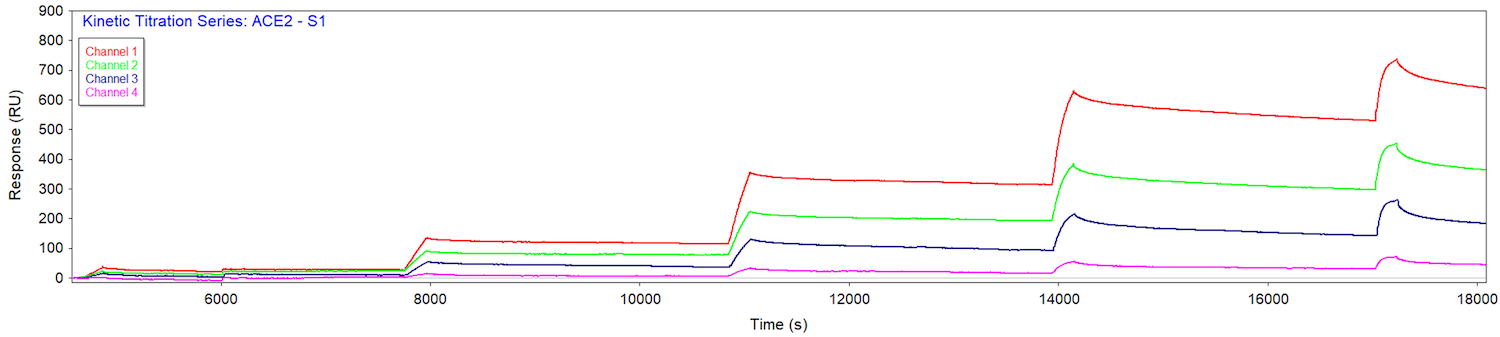
The coronavirus 2019 (COVID-19) pandemic continues to evolve. This disease is caused by the highly contagious coronavirus 2 (SARS-CoV-2) and is initiated by the viral invasion into host cells through viral attachment to angiotensin (Ang)-converting enzyme 2 (ACE2). ACE2, expressed in numerous different tissues, is the receptor through which the COVID-19 spike-protein (S-protein) gains entry into cells for subsequent viral replication.
Application Note 137: Ginnalin A and Tabersonine Inhibition of Amyloid β(1-42) Aggregation
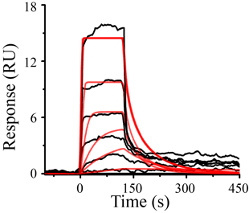
Alzheimer’s disease (AD) is currently ranked as the sixth leading cause of death in the United States and is the most common neurological disorder. Production and accumulation of amyloid-beta (Aβ) peptides in the brain are a hallmark of AD. Among Aβ peptides of different lengths, Αβ(1-42) has the highest propensity to aggregate.
Application Note 136: Sensitivity and kinetic analysis of carboxyl-graphene oxide-based SPR biosensors for label-free detection of lung cancer biomarker
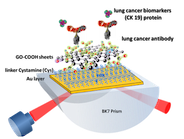
This work demonstrates the excellent potential of highly sensitive carboxyl-graphene oxide (carboxyl-GO) based surface plasmon resonance (SPR) immunosensor for the detection of lung cancer for cytokeratin 19 biomarker in human …
Application Note 133: Interaction of Protein Phosphatase 1 with its Muscle Glycogen– targeting Regulatory Subunit Measured by SPR
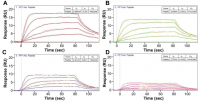
Glycogen is the primary storage form of glucose. Glycogen synthesis and breakdown are tightly controlled by glycogen synthase (GYS) and phosphorylase, respectively. The enzyme responsible for the process is protein …
Application Note 123: Surface Plasmon Resonance Measurement of Protein-Peptide Interaction Using Streptavidin Sensor Chip

Streptavidin (SA) sensor chips are commonly used for kinetic interactions of biotinylated ligands. Streptavidin is a tetrameric molecule with an extremely high affinity towards biotin and, because of its binding …
Application Note 121: Protein Interactions in the Mycofactocin Biosynthetic Pathway
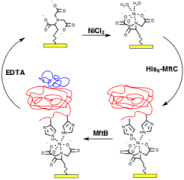
Protein-protein interactions are essential for many biochemical transformations and cellular processes. However, traditional methods of detecting these Surface plasmon resonance (SPR) is capable of analyzing protein-protein interactions kinetically while consuming little protein sample and does not rely on absorbance/fluorescence properties of proteins. This application note describes the SPR analysis of label-free protein-protein interactions found in the mycofactocin biosynthetic pathway.