
Application Note 135: Measuring Binding Kinetics in Cell Medium with SPRM
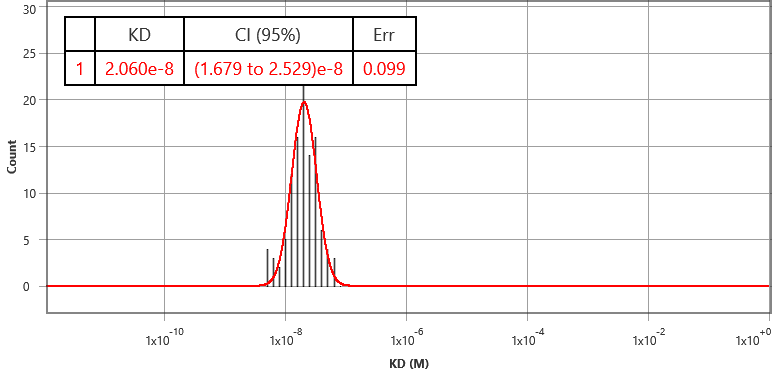
Fixation of cells is a convenient and routinely used method by many labs to study cells. However, fixation may alter certain types of protein receptors, thus affecting their binding kinetics. …
Application Note 134: Positive and Negative Control Studies of Small Molecule Binding to Membrane Protein
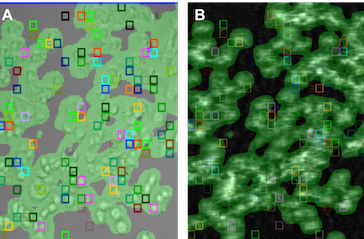
SPR microscopy (SPRm) has emerged as a unique tool for measuring the affinity and kinetics of ligand binding to membrane proteins on the cells directly. The technology integrates the traditional …
Application Note 132: SR142948 Antagonist Binding to NTS-1 Receptor Using SPR Microscopy
Neurotensin receptor belongs to the family of G protein-coupled receptors (GPCR), which has 424 amino acids with 7 putative transmembrane domains.(1) Neurotesin receptor 1 (NTS-1) mediates multiple functions of neurotensin, …
Application Note 131: SPR Microscopy for Live Suspension Cells
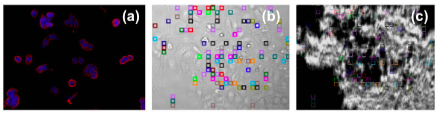
SPRm 200 system is the world’s first commercial Surface Plasmon Resonance Microscopy (SPRM) which combines the high spatial resolution of optical microscopy with the label-free sensing capability of SPR. With …
Application Note 130: Measuring molecular binding kinetics with SPRM Impedance
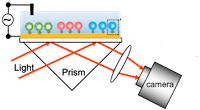
SPR Microscopy (SPRM) is a powerful tool for measuring the binding kinetics of ligands or drug compounds with membrane proteins, including GPCRs. It has many other unique features that lead …
Application Note 129: AZ1395 small molecule targeting GPR39
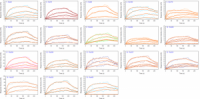
Membrane proteins play critical roles in cellular communications and are the most popular drug targets, accounting for over a half of the FDA approved drugs. One particularly important example of …
Application Note 128: SPR Microscopy for Acid-Sensing Ion Channels
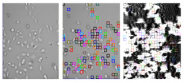
Acid-sensing ion channels (ASICs) are voltage independent cation channels, which are expressed in both central and peripheral neurons.[1] Four genes that encode six ASIC subunits have been identified in mammals …
Application Note 127: Quantifying Antibody Binding to Membrane Proteins on Single Cells with SPR Microscopy
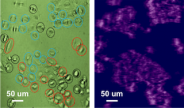
Monoclonal antibody (mAb) therapies have become established methods for treating cancer, autoimmune disorders, asthma and many other diseases. MAb drugs represent approximately half of the total sales of all biopharmaceutical …
Application Note 126: GPCR Binding Assays with SPR Microscopy
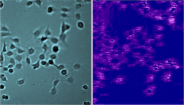
G-protein coupled receptors (GPCR) are integral membrane proteins that transmit signals from external stimuli to the cell interior. They play key roles in many cellular processes, such as sensorial, hormonal, …
Application Note 125: Lectin-Glycoprotein Interactions with SPR Microscopy
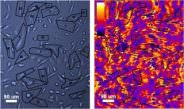
Membrane proteins are involved in many biological processes, such as signaling between cell’s internal and external environments, transport of ions and molecules and catalysis of chemical reactions [1] and they …