
Application Note 163: Binding Activities of Yohimbine Analogues on ADRA2A Overexpressing Live Cells
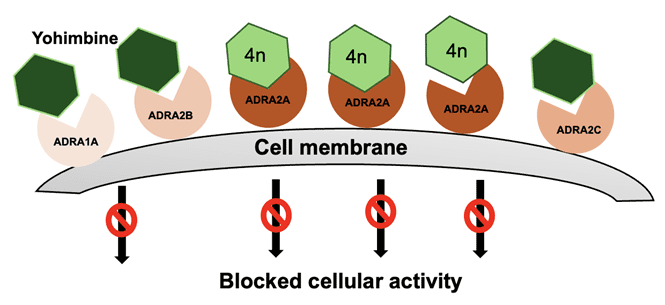
Millions of sepsis-related deaths are reported every year, which makes acute septic shock one of the leading causes of death in intensive care units around the world.1 Septic shock is …
Application Note 162: N-linked Glycan Deglycosylation Unmasks New HPA O-linked Glycan Heterogeneity
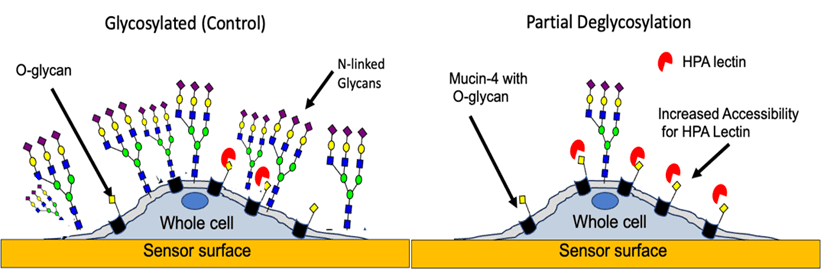
Most membrane proteins carry some form of glycans, which regulate many cellular processes such as cell differentiation and cell-to-cell interactions.1 There are two types of glycans based on the type …
Application Note 161: Surface Plasmon Resonance Identifies Lysozyme Interaction with Tannic Acid
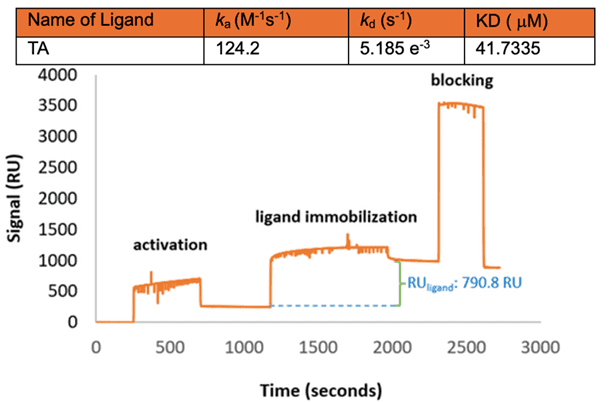
Lysozyme (LZM) is found in body secretions like saliva, and it can catalytically hydrolyze peptidoglycans and exert catalysis-independent antimicrobial properties.1 Additionally, it is a valuable component in pharmaceutical and food …
Application Note 160: Influence of Aberrant Glycosylation on the Binding Capability of Muc-4 in Pancreatic Cancer Cells
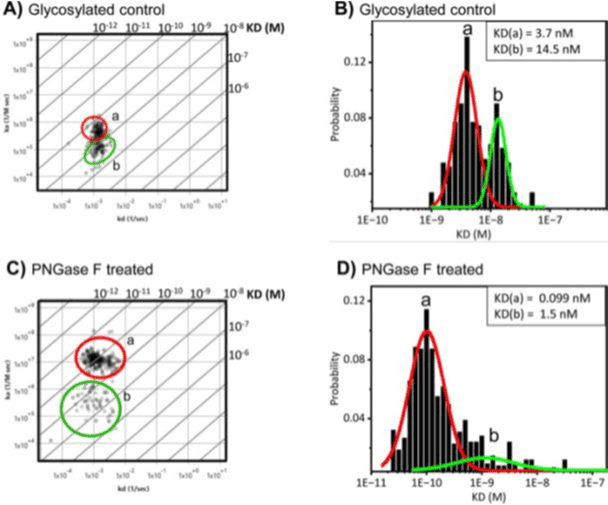
Mucin-4 (Muc-4) is a heavily glycosylated membrane glycoprotein which is associated with pancreatic cancer and metastasis.1 This glycoprotein primarily has O-glycans which contributes to its bulky structure in the extracellular …
Application Note 159: Real-Time Monitoring of Glycan Heterogeneity in Cancer Cells
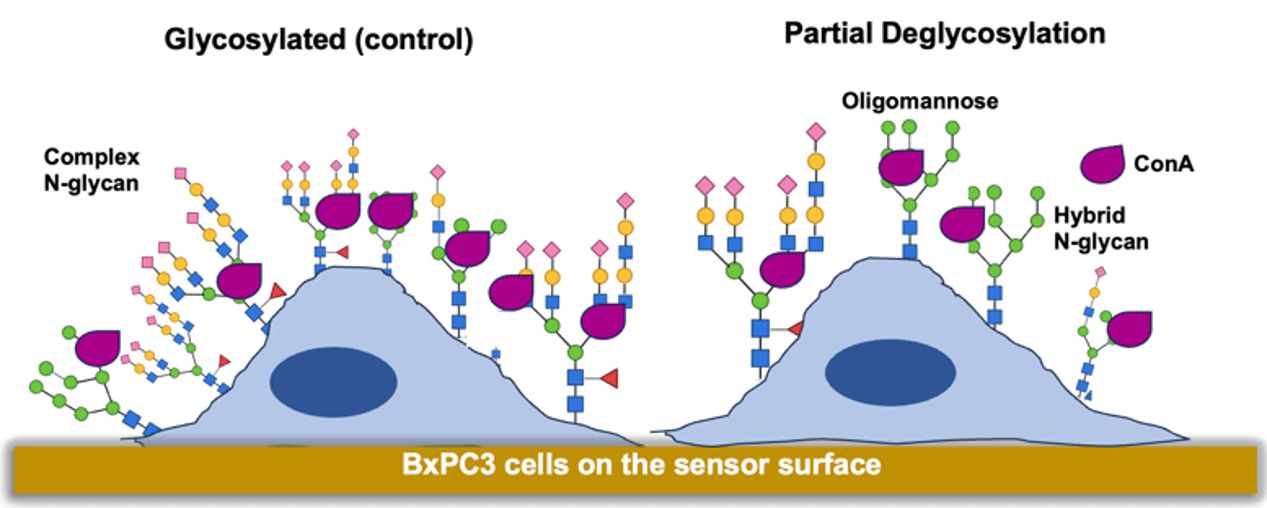
Membrane proteins are the main targets of therapeutic drugs and most of them carry some form of glycan structures, which play pivotal roles in protein folding, stability, cell communication, cell …
Application Note 158: Minocycline Enhanced T-cell Cytotoxicity of Tumor Cells

Cancer cells propagate by finding means to hide from the immune system. Immunotherapies allow the immune system to recognize and attack the hidden cancer cells reducing the spread of the …
Application Note 157: Understanding the Glyco-code using SPR microscopy
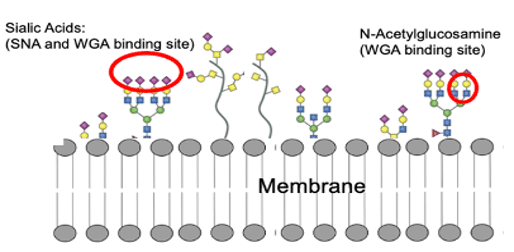
Incomplete synthesis of glycans or the overexpression of certain glycans promote a tumor-specific glyco-code.1 The glyco-code includes increased branched N-glycans, truncated O-glycans, hyper-sialylated glycans or glycolipids.2&3 Non-catalytic glycan binding proteins …
Application Note 156: Kinetics of Anti-HER2 Binding to Extracellular Domain II of HER2
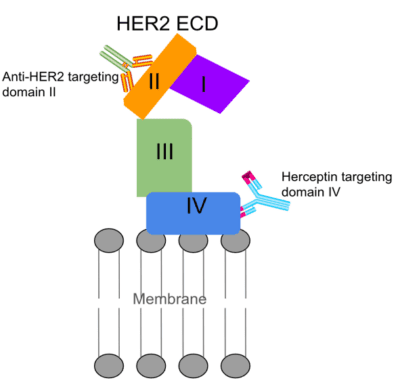
HER2 also known as ErbB2 is an epidermal growth factor receptor and is a 185 kDa transmembrane glycoprotein. 20–30% of breast cancer patients have overexpression of HER2.1 The extracellular domain …
Application Note 155: Rapid Determination of IgG in Sera using BI-4500A SPR System
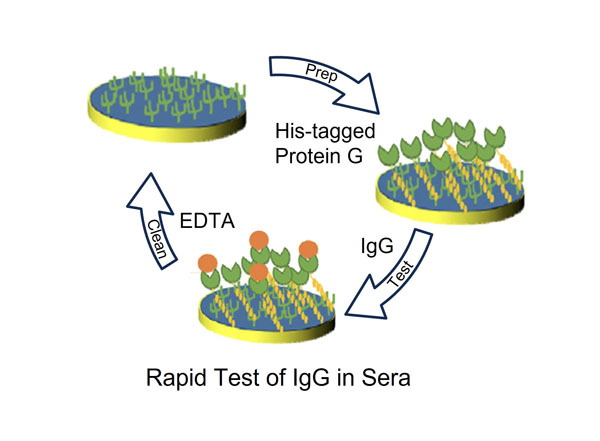
IgG deficiencies could be a major reason for impaired humoral immunity, whereas very high IgG levels could be a result of chronic infections, autoimmune disorders, and allergies.1 The levels of …
Application Note 154: Determination of Active Concentration Using Calibration-free Methods
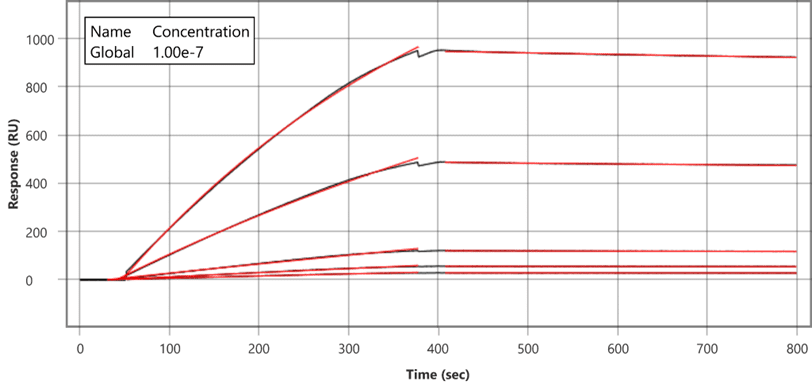
Kinetics of an antibody-antigen interaction forms the basis for immunological response and antibody therapeutics,
which is one of the fastest areas of growth in the pharma industry. Affinity and avidity of antibodies are the characteristics which define the overall efficacy of binding kinetics.